
Panchakarma: Oil In Every Hole (Part 2)
If you haven’t already, click here to read Part 1 of my panchakarma experience and how I ended up deep in South India with oil in every hole.
This is part 2.
The Center
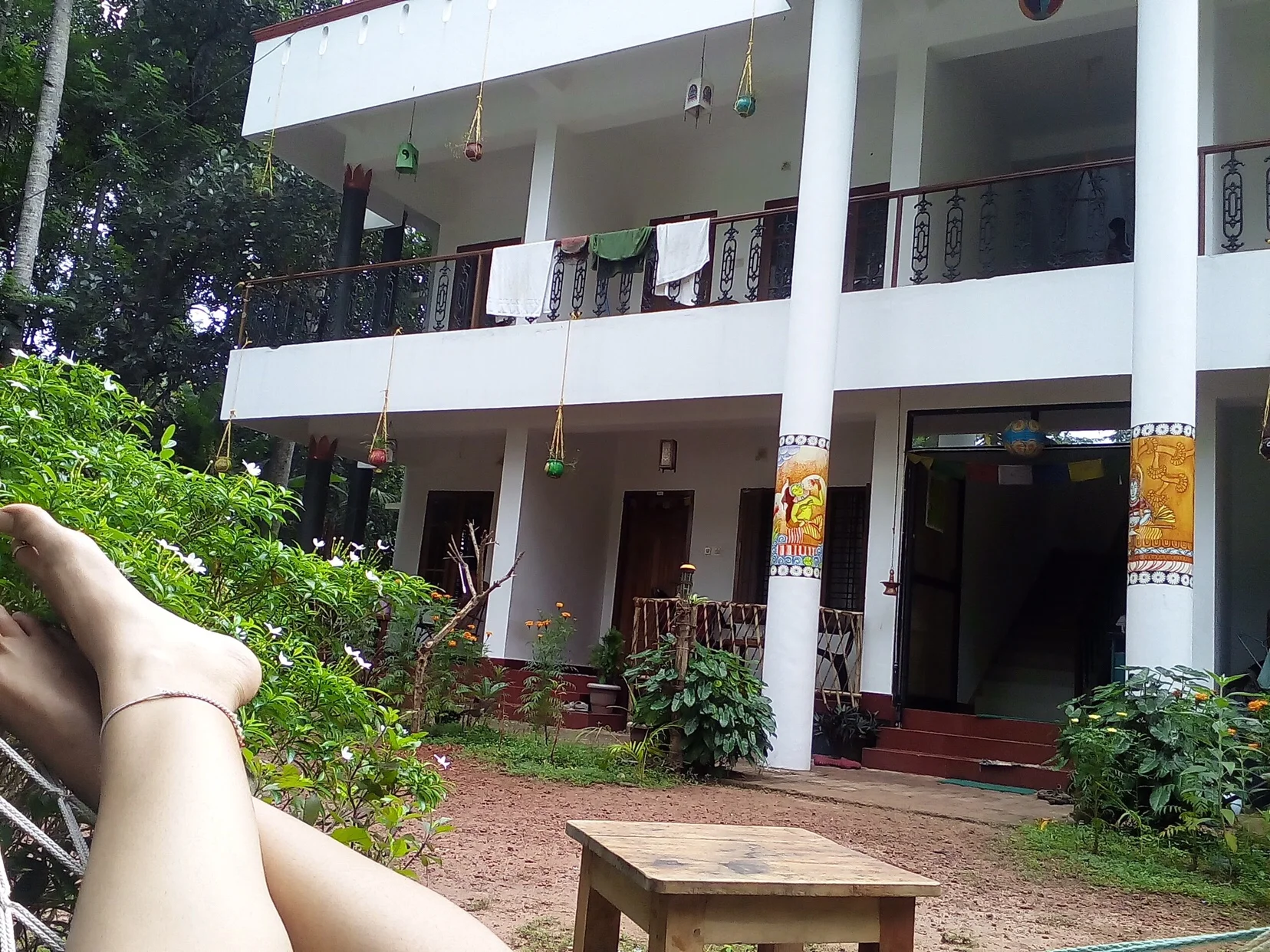
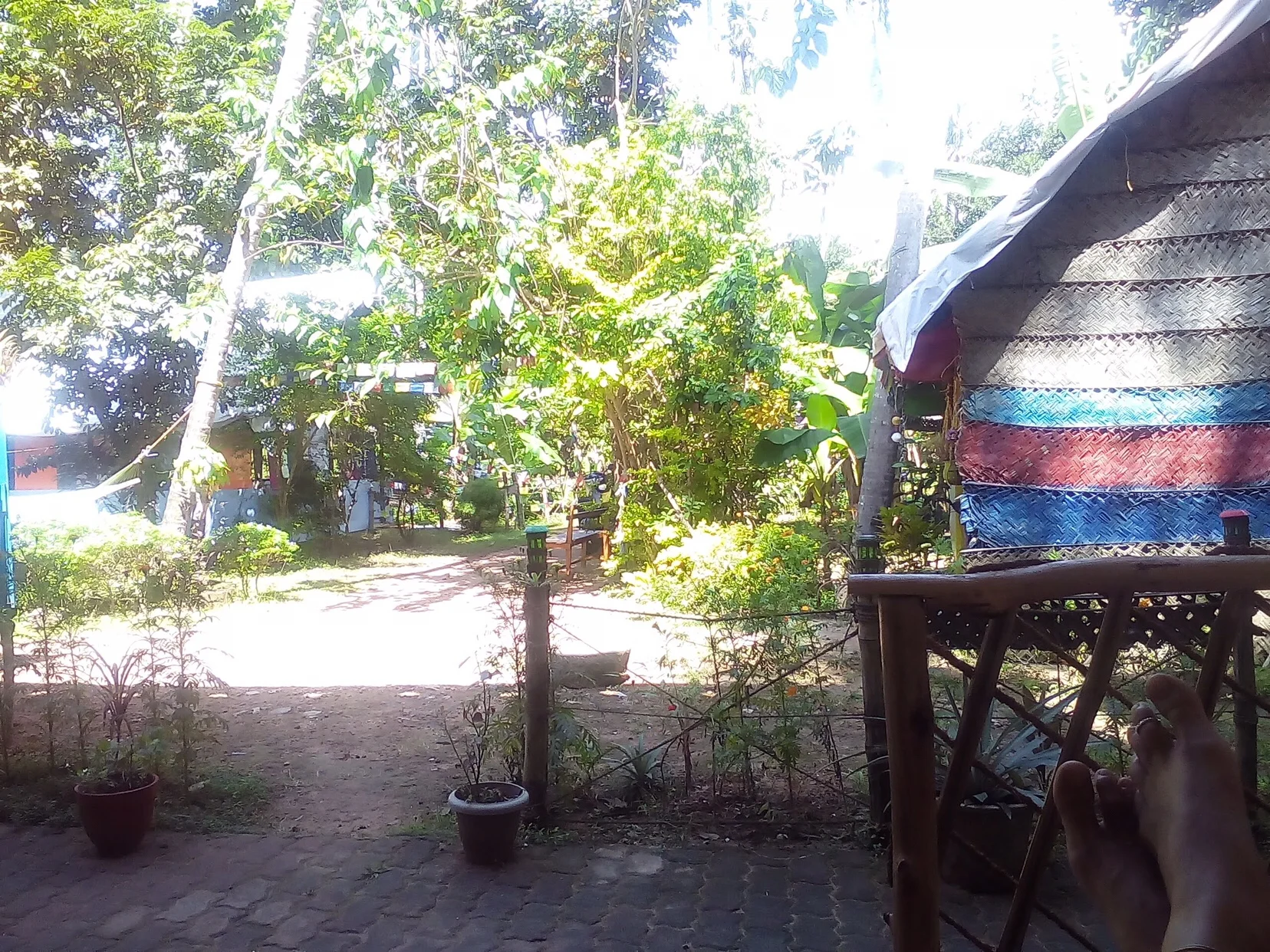
Nestled in between coconut palms and banana trees, Pachamama Homestay is tucked away in what feels like the laziest corner in all of Varkala. Although it’s just a 10 minute stroll from the bustling busy beach cliff, it feels like it’s a world away.
It’s quaint two-story building puts the home in homestay with its eight immaculate rooms, each with their own private bath and large porch. The one hammock right outside the home is enough for the few guests to carousel through it during the sluggish sunny days.
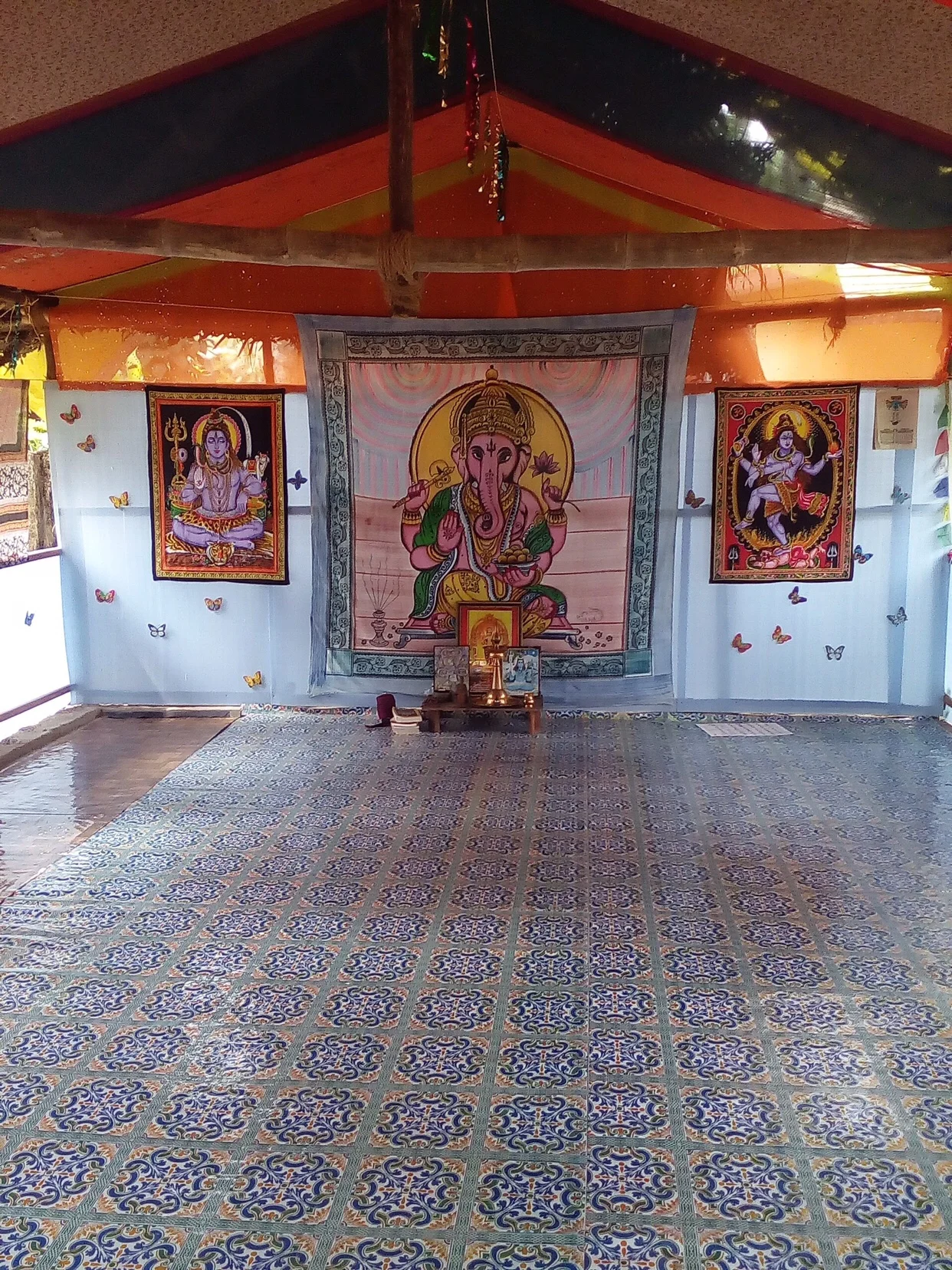
The open air yoga shala is what yoga shala dreams are made of. Your bare, dirty feet are greeted by a giant hand-painted Ganesh reverently sitting over the sacred altar, which is showered each and every day with freshly picked magnolias from the garden just steps away. The meticulously placed paper butterflies sprinkled about the makeshift walls instantly convince you life is good. It’s always been good.
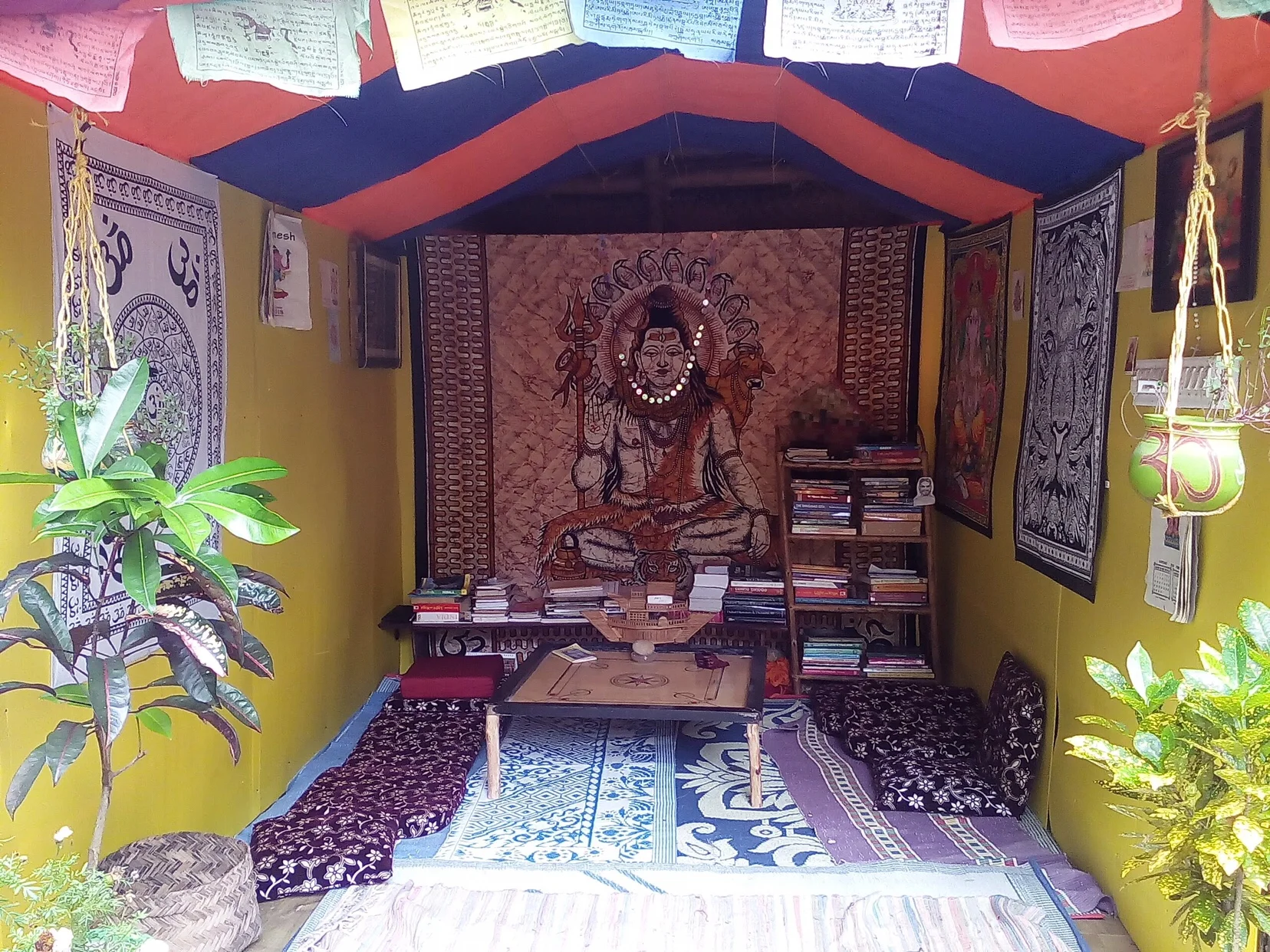
And then there’s the library nook—Manoj’s pride and joy. This cozy little library nook is stocked with enough cushions and Indian Philosophy books to escape this realm and play with the illusion of time. Just don’t forget the tea, and you’re set for the perfect afternoon.
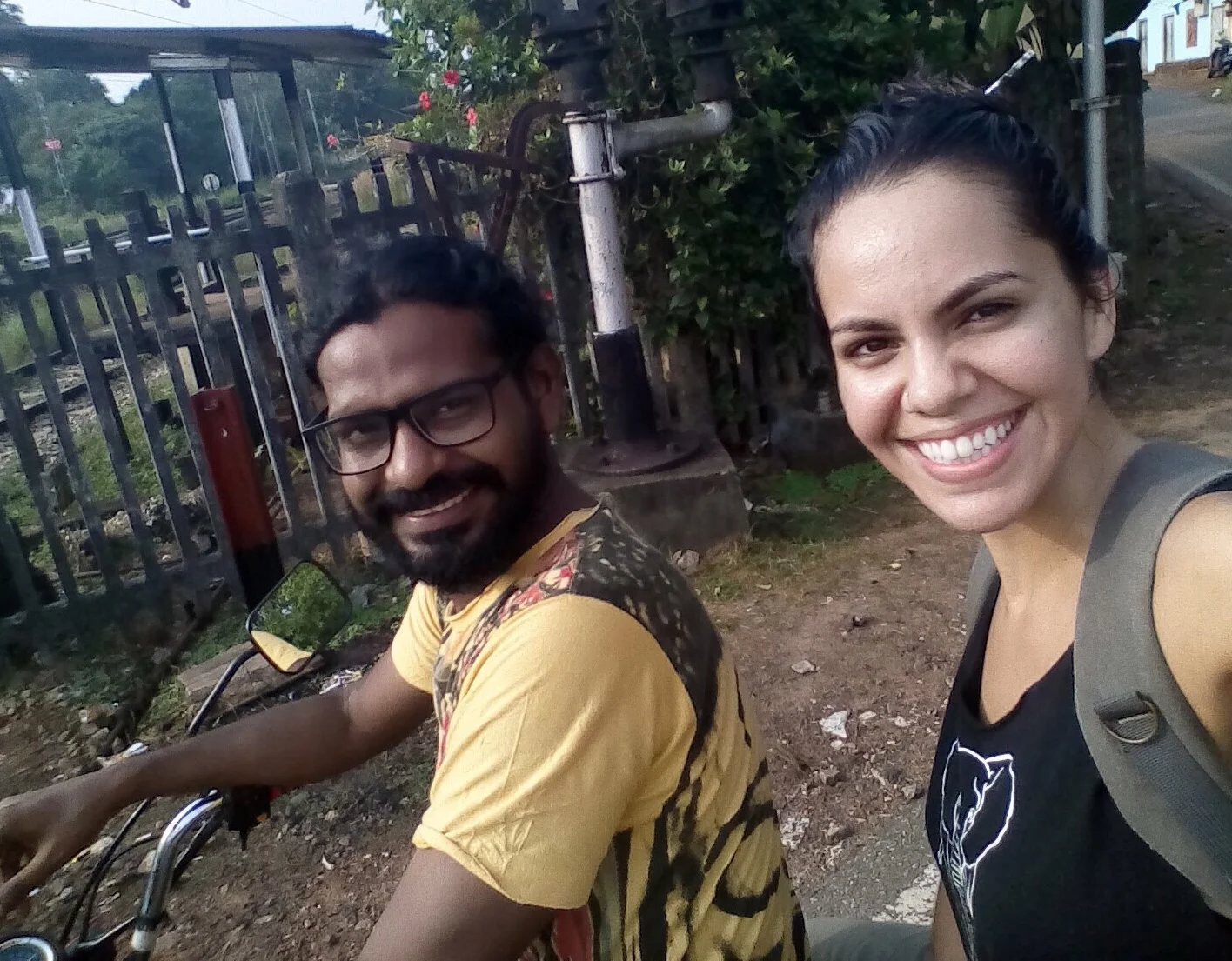
Manoj, Pachamama Homestay’s owner and resident healer.
The People
Like most businesses in India, this is an intimate family-run establishment. There’s Manoj, the self-taught incredibly intellectual yogi who ran away from home as a teenager to pursue the only true purpose in life—finding God.
He is the brains behind this little family operation and spends his days teaching yoga, taking pulses, asking about your skin and nightmares, diagnosing doshas, and just hanging out at the front porch with whatever guest is willing and able to talk about God.
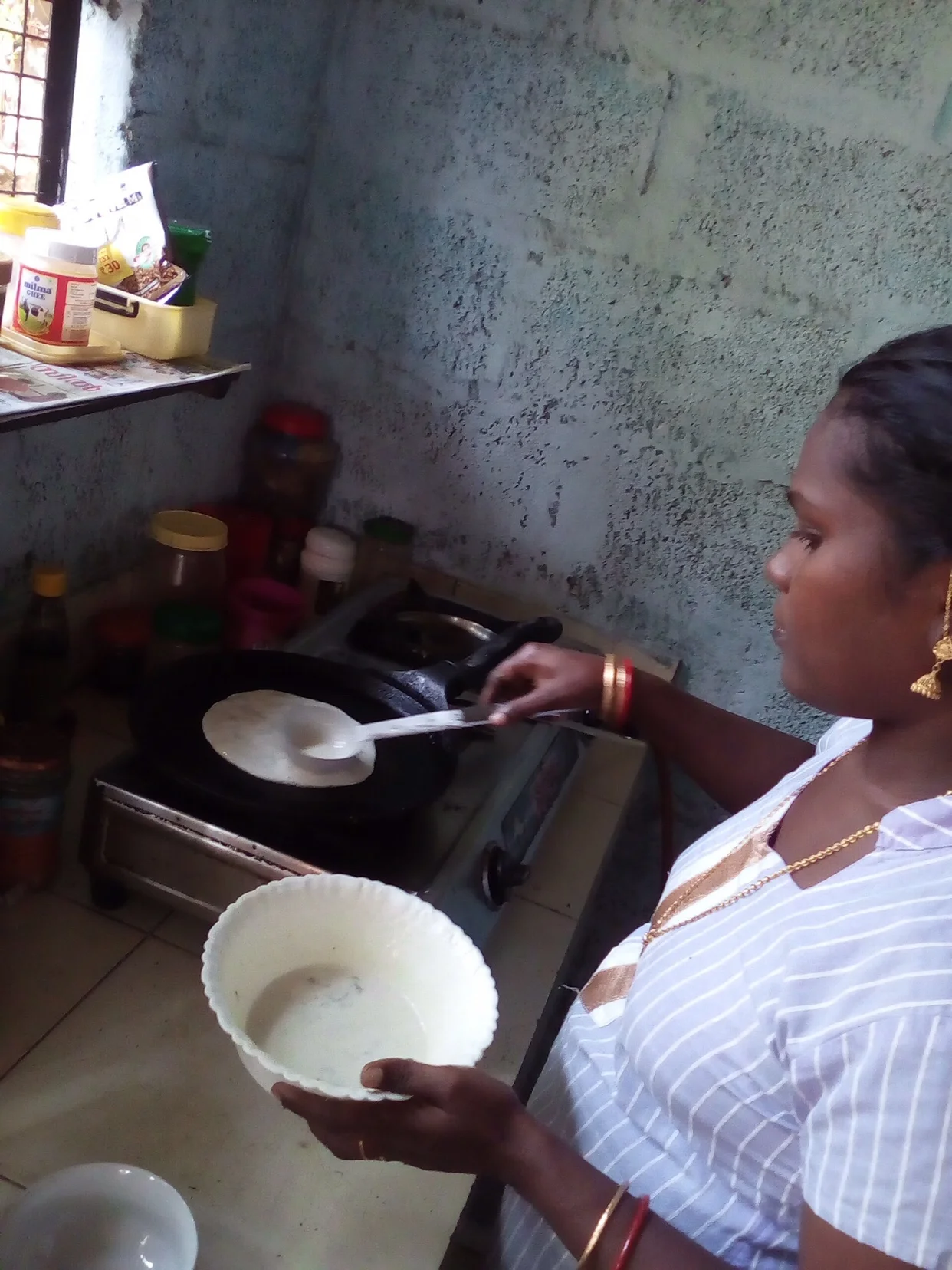
Jhitu, Raji & Adig—the brother, sister-in-law and nephew. They are the heart of this family business. They keep the home and gardens tidy, fix the meals, keep you company and most importantly, prepare the world’s best cup of ayurvedic coffee.
And although little Adig is too young and cute to cook or clean, he offers enough giggles and warm hugs to do his part in this healing environment.
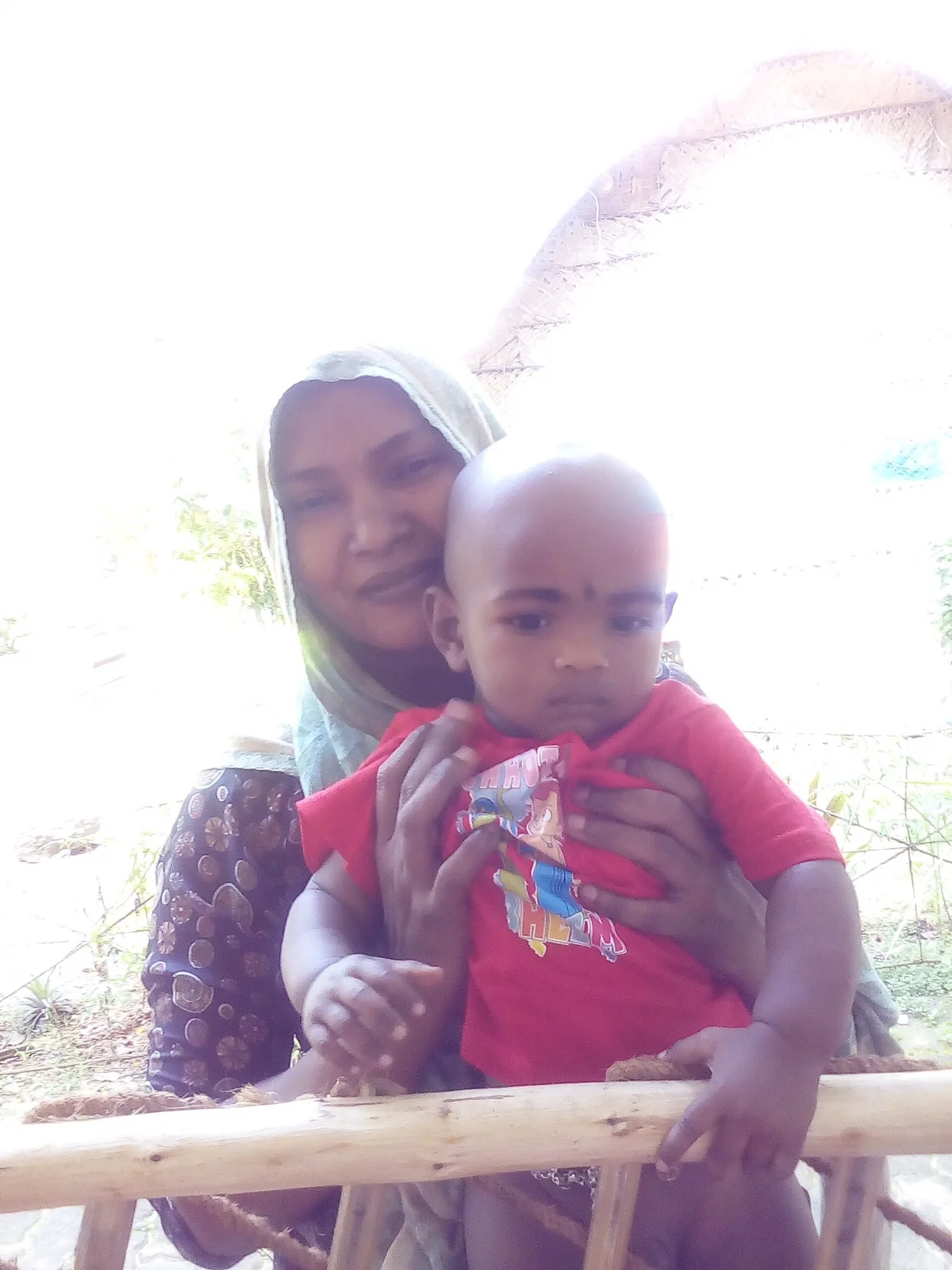
And I can’t forget Arun and Angel (I am so ashamed I can’t remember the name of the female therapist! But she is an actual angel, so that’s what I’m going to call her). They are the loving touch in the operation. Arun, a super smart, innocent young man that comes from a family of Ayurvedists and Angel, a local practitioner whose essence is pure love.
Arun prepares the medicinal oil used in the treatments—which, just so you know, is no small feat. And Angel just takes care of you, in every sense of the word care.
The Treatments
The bread and butter of this entire experience. Besides eating, sleeping, drinking tea, practicing yoga, reading, this is what I did for 14 days at Pachamama. Or more like, this is what was done to me.
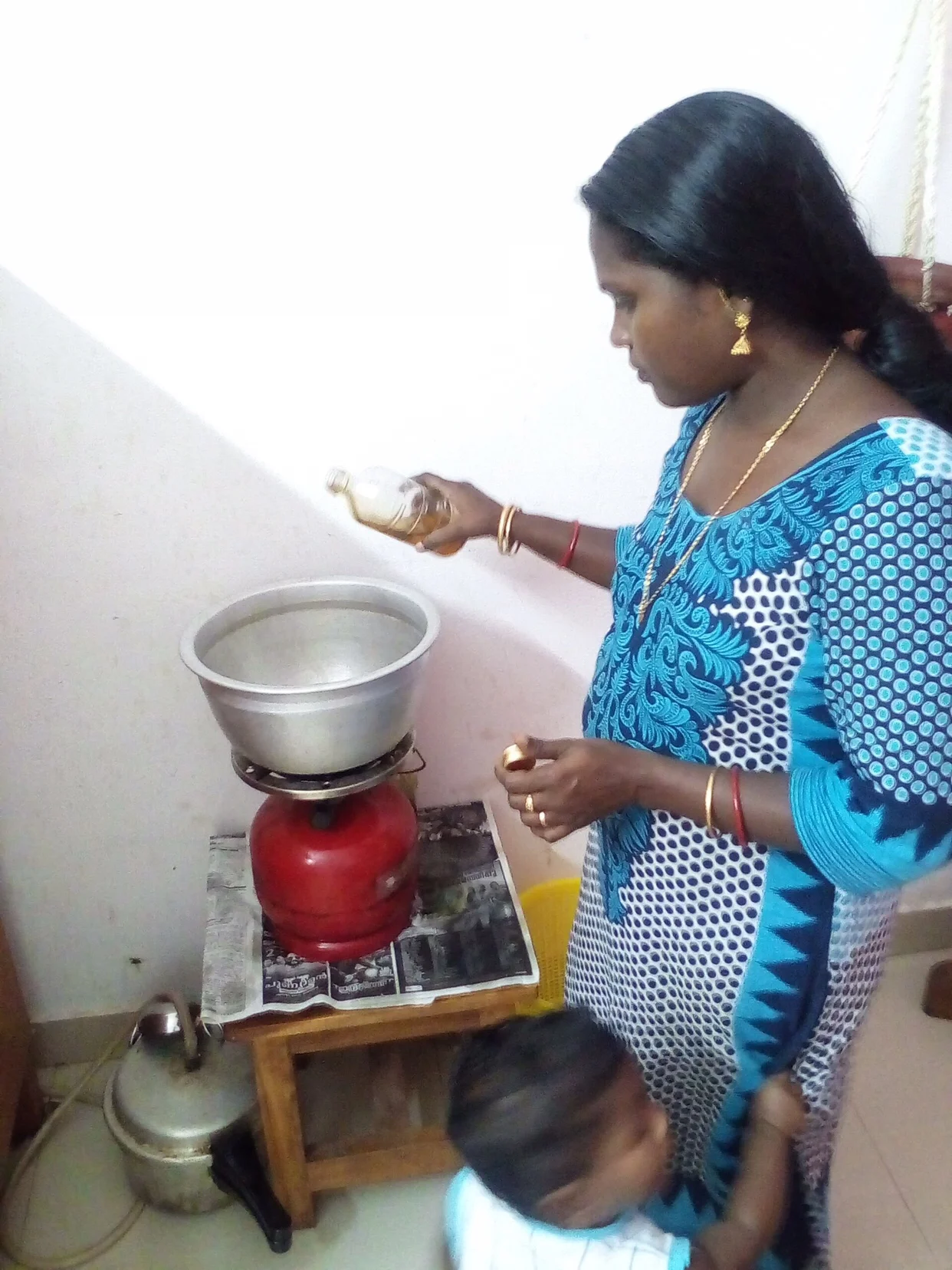
Abhyanga: Days 1-14
Individually prepared herbal oil massage designed to relax the body and mind, break up impurities and stimulate lymphatic circulation. Imagine hot oil being rubbed up and down and up and down and up and down over and over and over again all over your body. This kind of constant up and down motion enhances the ability of nutrients to reach starved cells and allows for the removal of waste.
Although it sounds ridiculously delicious, it’s so taxing on the body, especially 14 days of it. By day 5 I actually did not want to get a massage. Remember, this is a detox treatment, and toxins coming out of your system doesn’t always feel good when it’s happening. The first 5 days were tough.
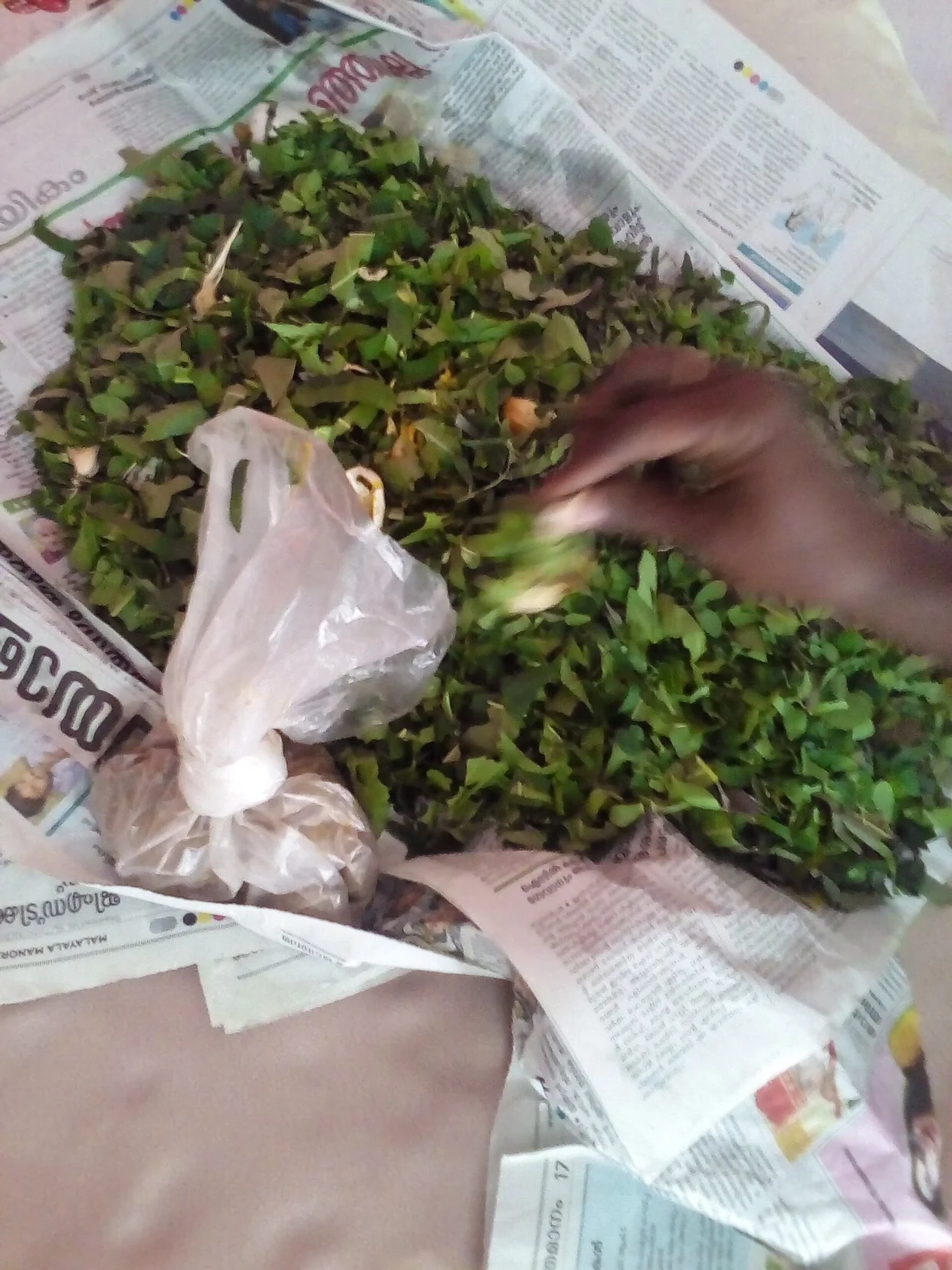
Nasya: Days 1-3
Natural nasal drops. This cleans the entire head region and relieves various types of headache, migraine, hair problems, sleep disorders, neurological disorders, sinusitis, chronic rhinitis and respiratory diseases. It tastes terrible, but I will say this—I’ve suffered from morning allergies for years, to the point where I even went to see a specialist for it in the states, but all they did was give me a little orange bottle.
After just 3 nasya treatments I haven’t woken up with congestion since. I can breathe again in the early morning hours!
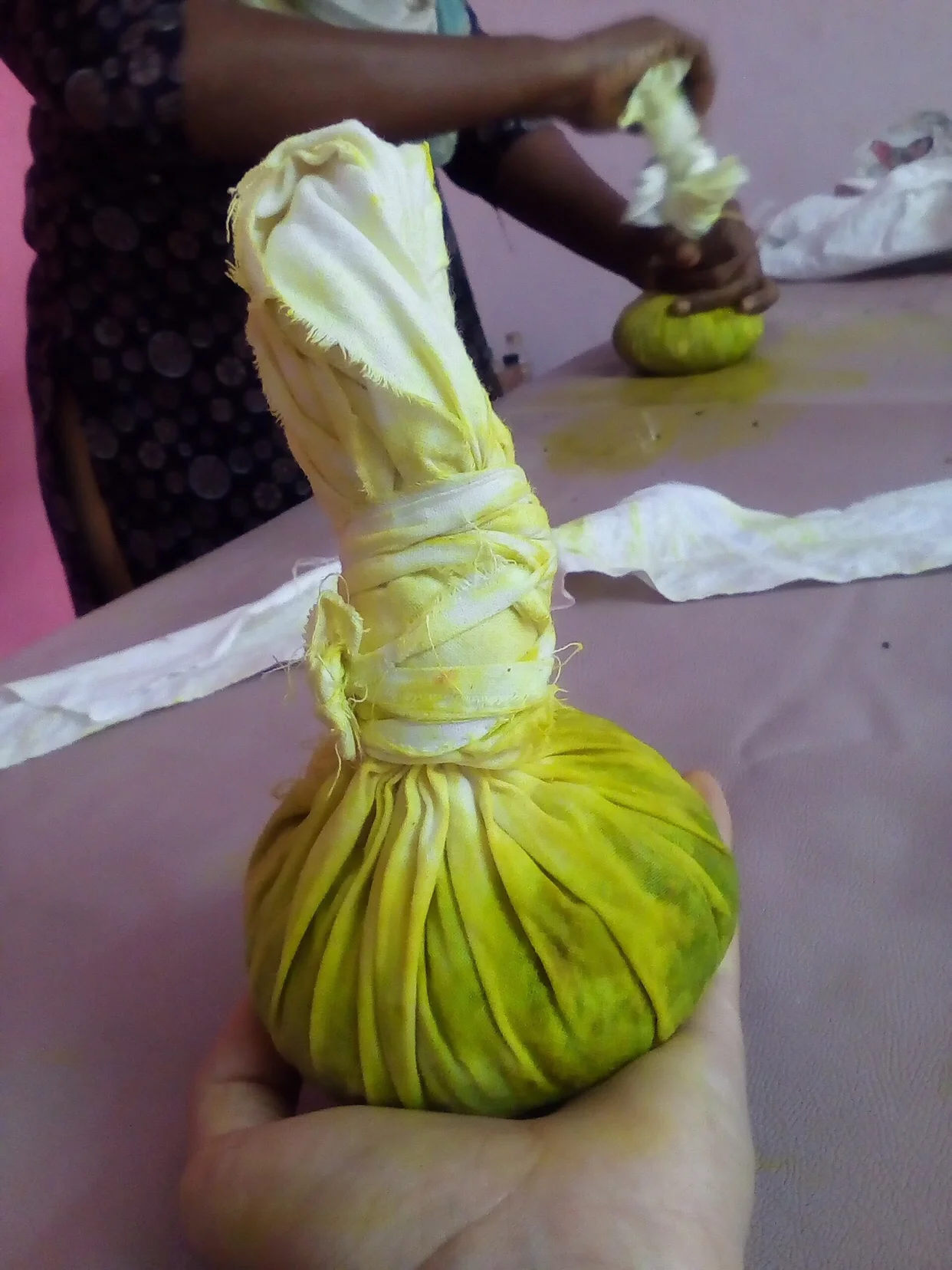
Potli: Days 2-5
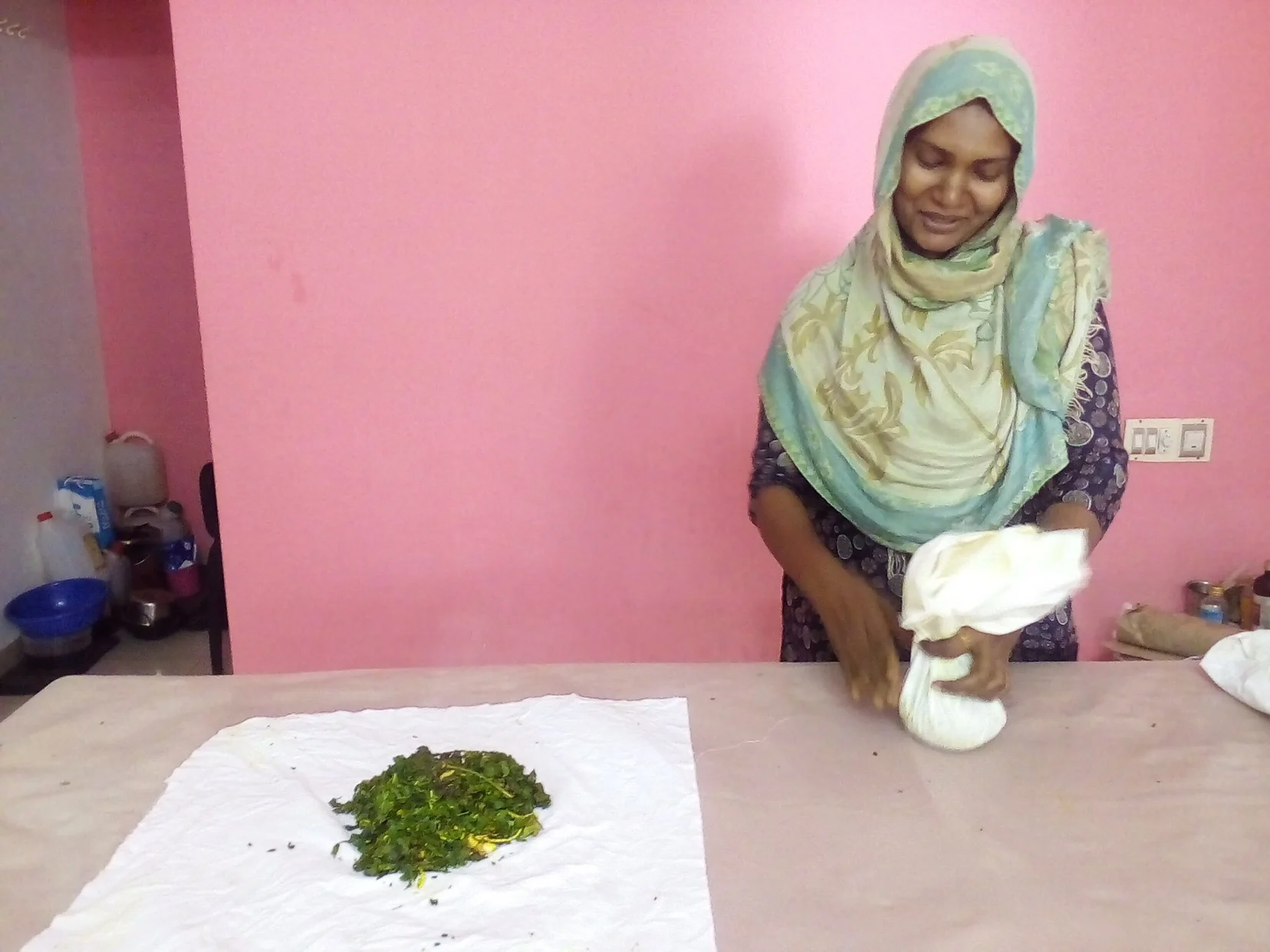
When I walked into the treatment room on the first day of Potli it looked more like we were getting ready to prepare a meal than a massage. This massage is done with homemade satchels stuffed with your common Indian kitchen herbs and spices, like turmeric and neem. Once the satchels are packed and tied they are dipped in warm oil for a few minutes and then are more like pounded and rubbed on your body than massaged.
All this pounding and rubbing is meant to improve circulation, relieve pain, improve mobility, reduce stiffness and tone the skin. You WILL smell l like an Indian restaurant by the end of the treatment and for the days to come. Embrace it.
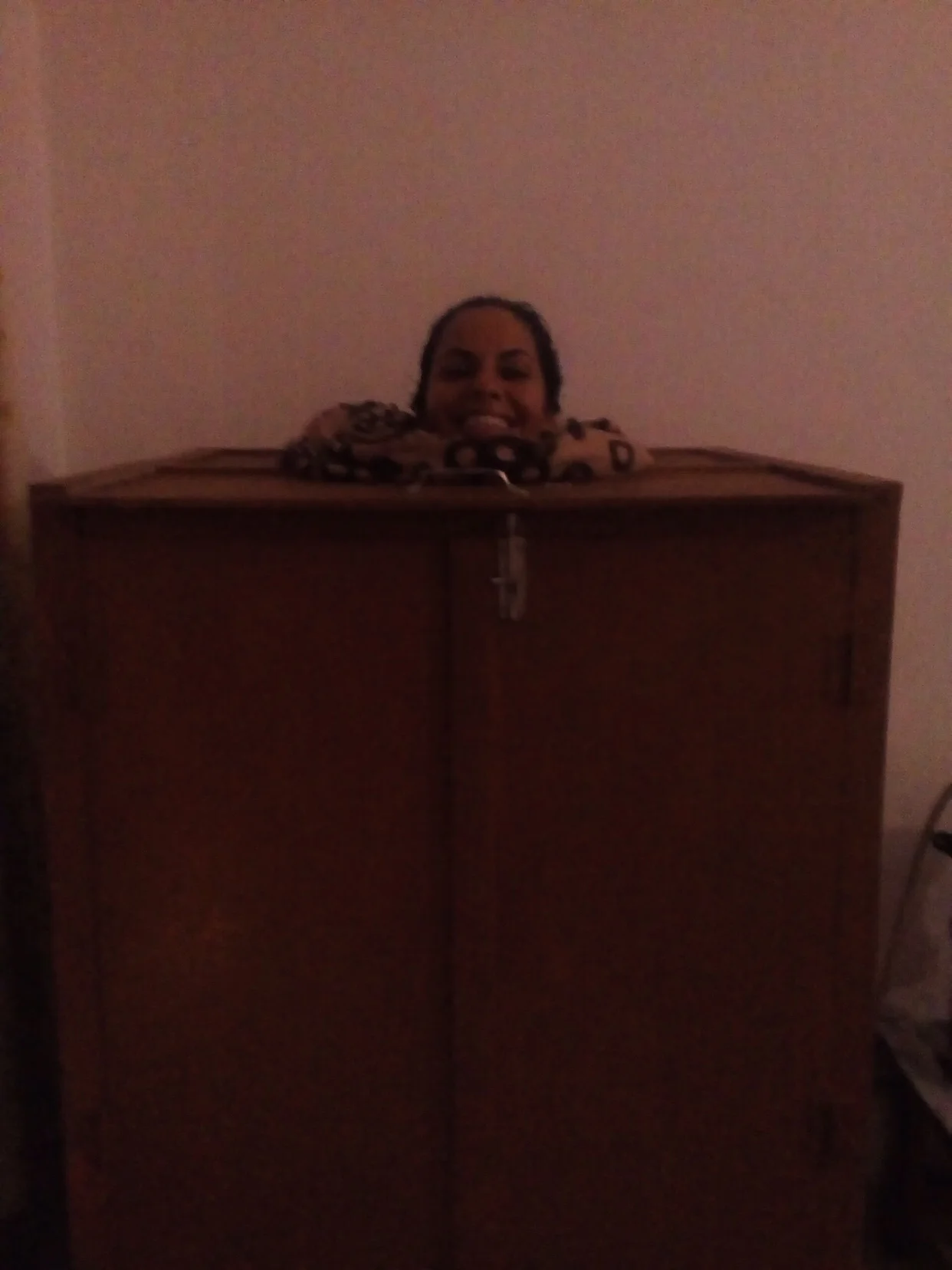
Swedana: Days 3, 13 and 14
An individually herbalized steam bath, during which the head is kept cool while the body is heated to remove mental, emotional and physical toxins stuck deeply within the tissues. It’s kind of like a steam bath, except you’re sitting there feeling really silly with your head poking out not sure what to do with yourself.
Virechana: Day 5
Purge Day. I woke up at 6am to chug a glass full of castor oil mixed with a little milk. And then spent hours vomiting and pooping my toxins away. It wasn’t painful though. It just felt like a huge release. I also fasted on purge day.
Virechana removes Pitta toxins (which I personally have a lot of) from the body that are accumulated in the liver and gallbladder and completely cleanses the gastro-intestinal tract.
Shirodhara: Days 6-9
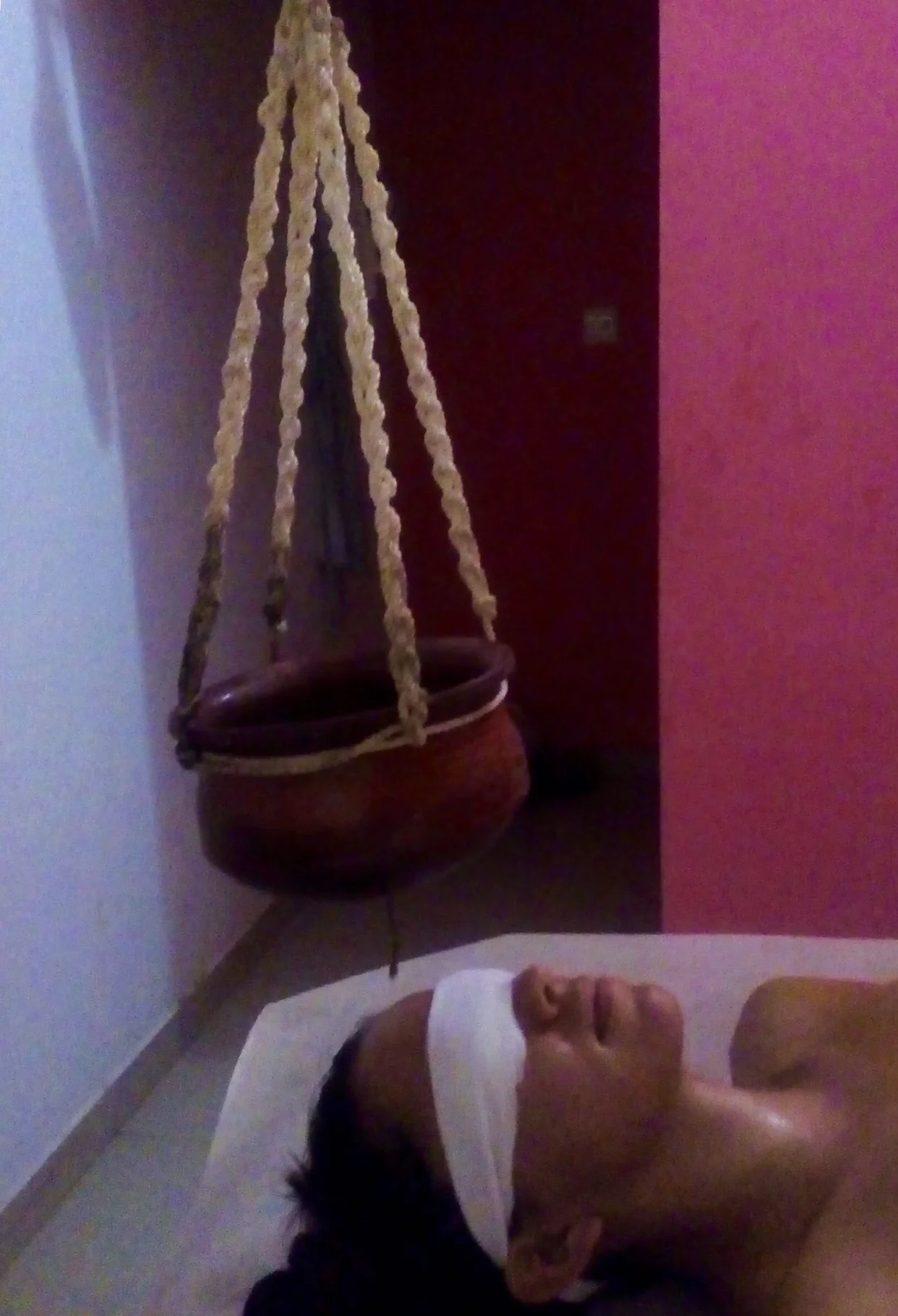
Things got good on day 6 when they introduced this. My favorite treatment! A heavenly procedure of hot herbal oil being poured over your forehead, meant to synchronize brain waves and calm the mind. The temperature and speed of the oil stream are kept constant during the therapy that goes on for an hour.
You know that delicious feeling you get when someone is softly scratching your head and your problems just melt away—it’s kinda like that, but better, longer, and with hot oil.
Pizichili: Days 9-12
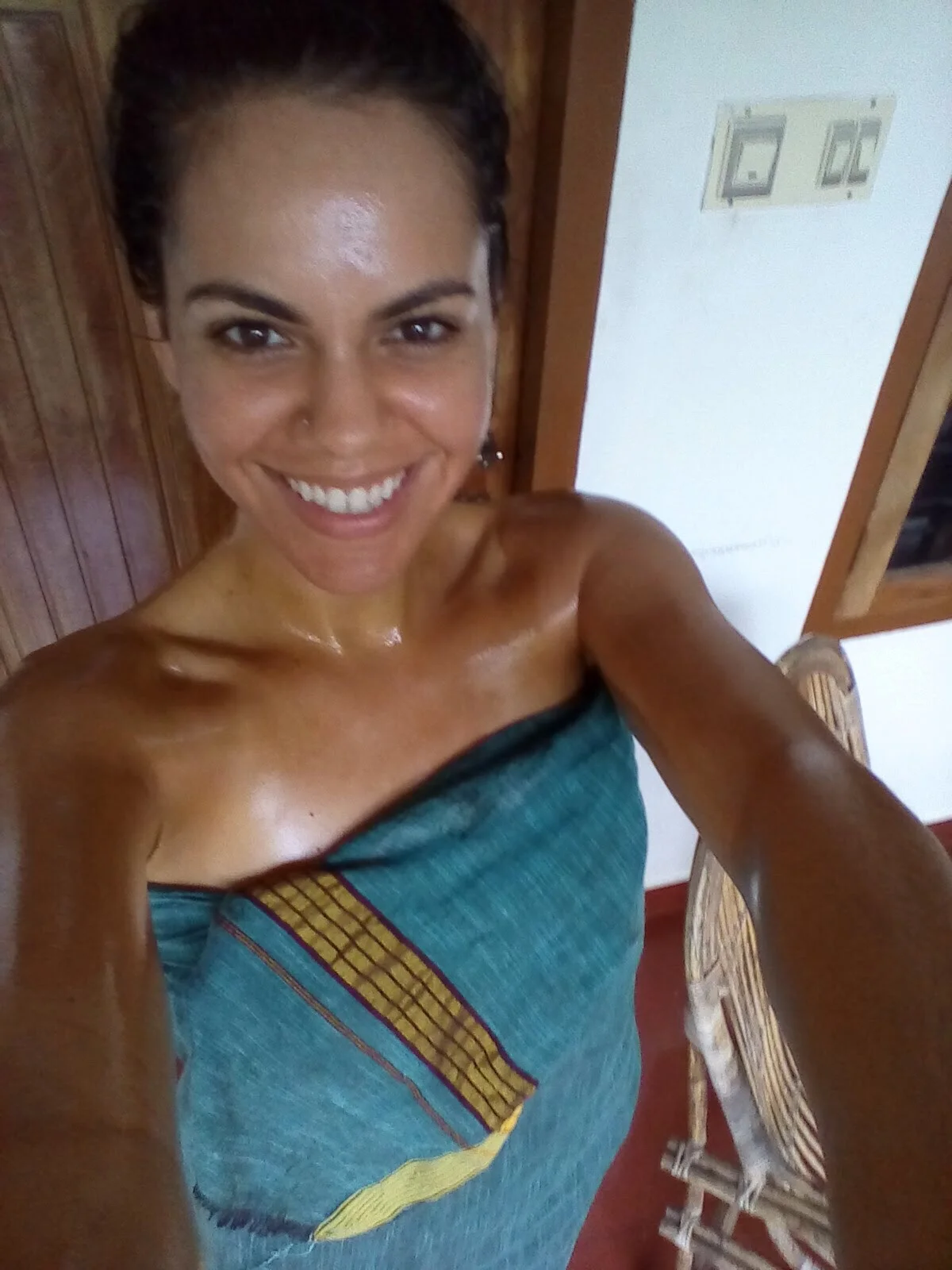
More continuous streams of hot oil, but now it’s hand-poured all over your body while you’re simultaneously being rubbed down like the Goddess that you are. You literally melt into the makeshift massage table becoming one with the oil, one with the table, not knowing where you are, who you are or what the hell is happening.
It helps to relieve pain, nourish the nerves and muscles, reduce stress, and to say it induces peace of mind and relaxation is a complete and total understatement. It is divinity in a treatment.
Basti: Days 12-14
We saved the best for last! I ended my treatments with three procedures of Basti, medicated enema—as in oil up the butt. Basti is the most effective of the panchakarma treatments because it keeps all three doshas under control putting the body in a state of equilibrium. It’s thorough cleaning process increases the immune system and relieves constipation, distension, chronic fever, cold, kidney stones, heart pain, backache, sciatica and other pains in the joints.
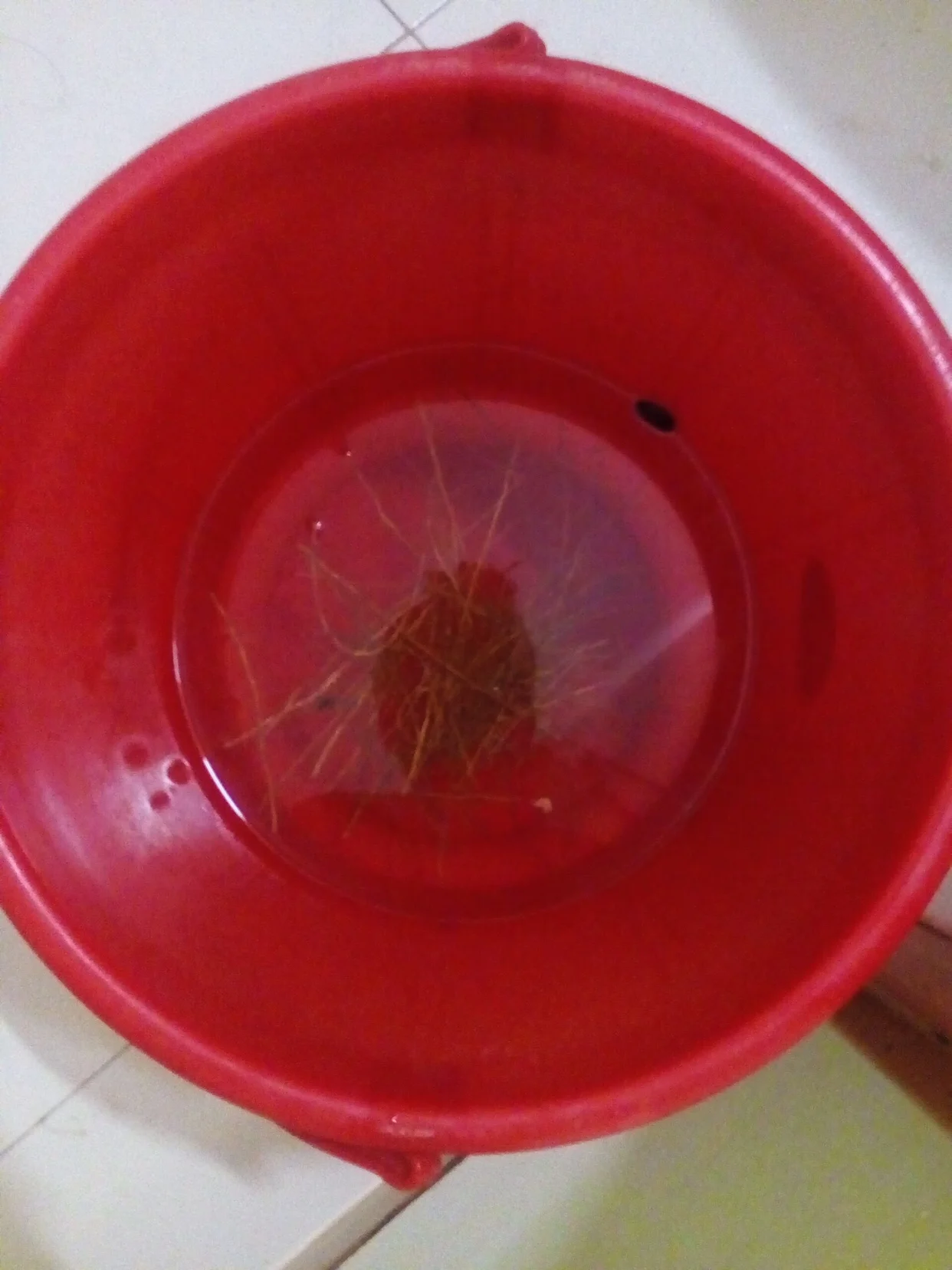
Herbal Bucket Baths & Face Packs
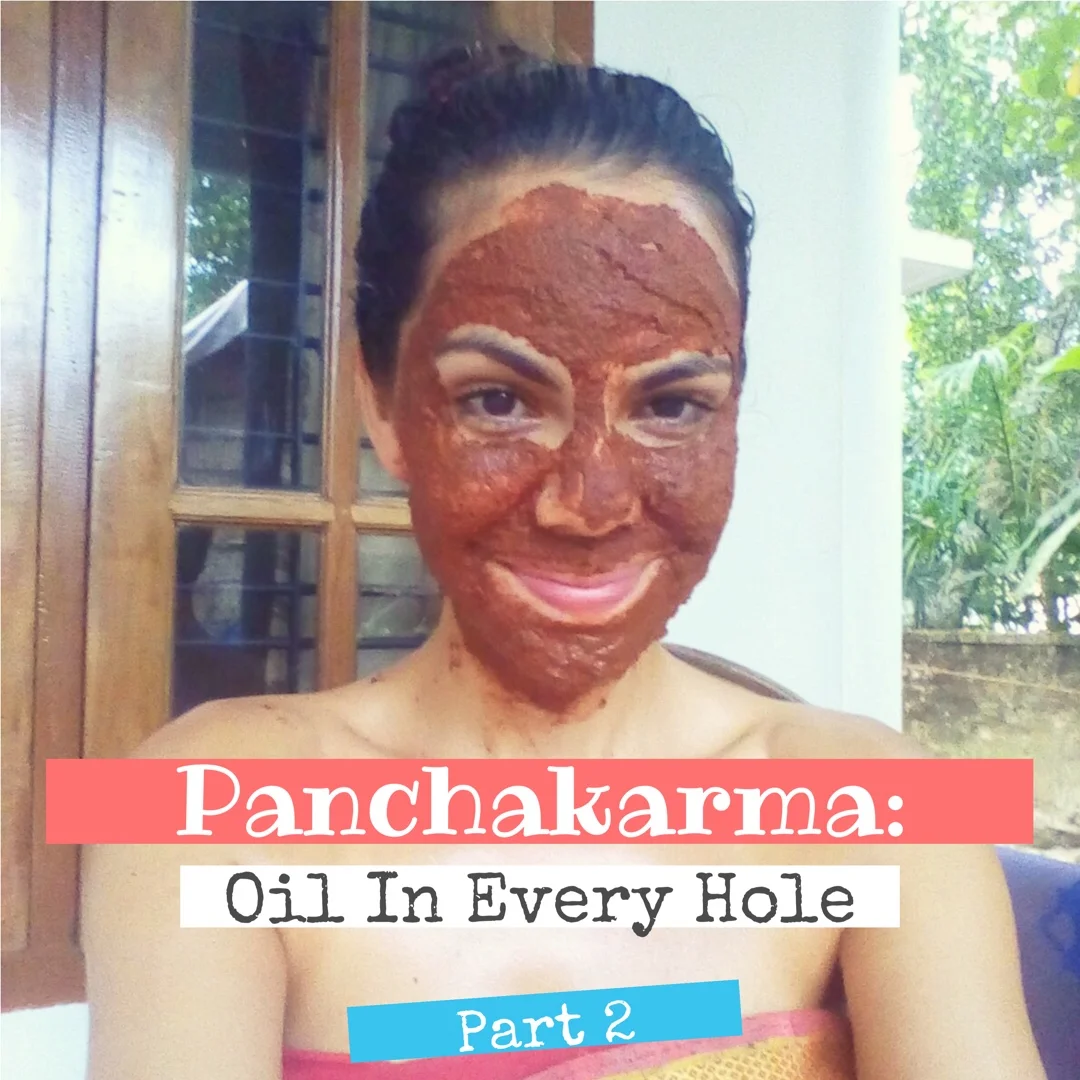
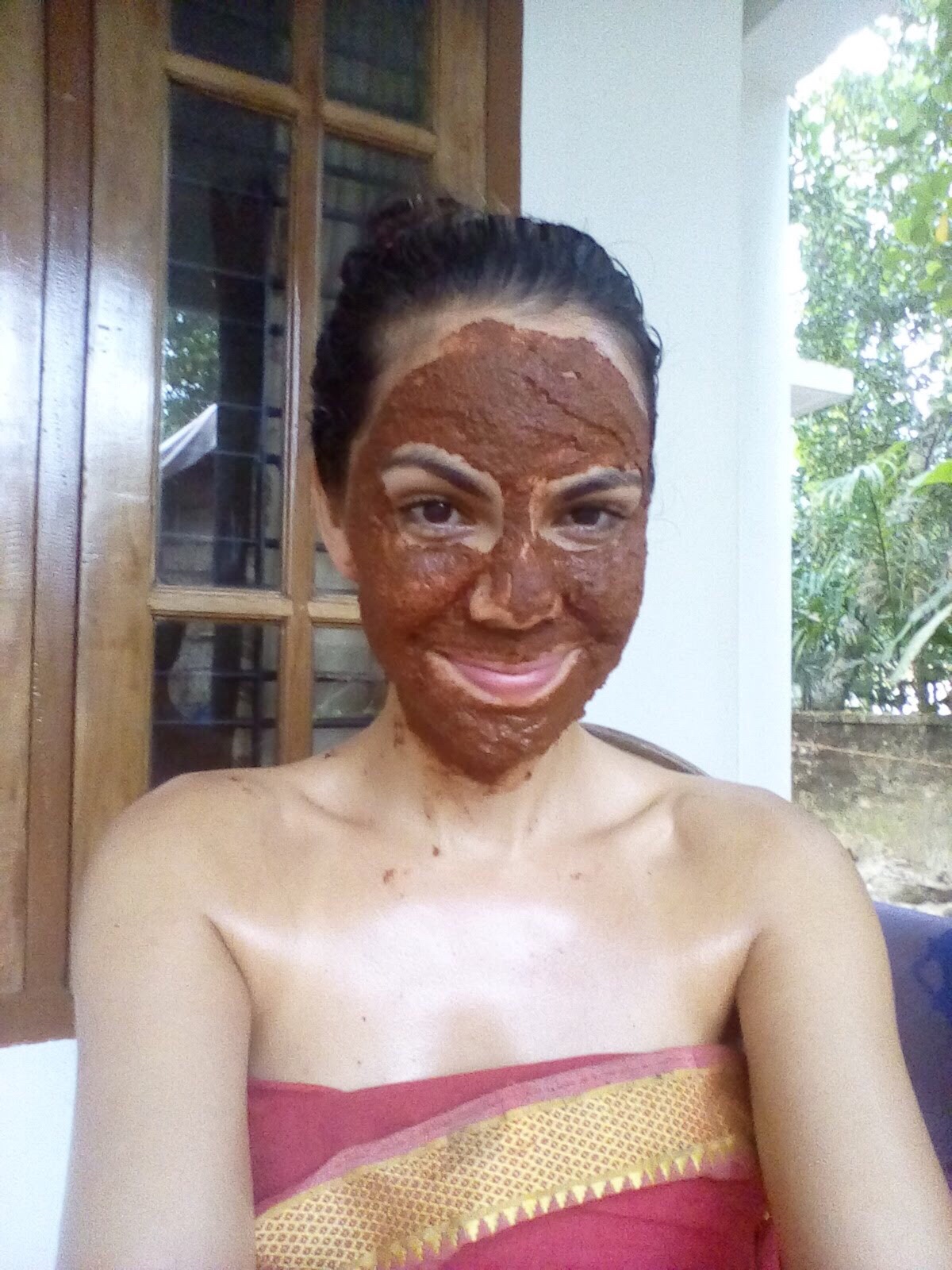
Not technically treatments, but worth a moment in the spotlight. A bucket bath with herbal water is specially prepared after each treatment. The herbal water is infused with freshly picked herbs from their garden to help further wash away the impurities. The face pack (which is basically a face mask) is made with turmeric, red sandalwood and green gram (green peas). It will leave your skin feeling as soft as a baby's bottom.
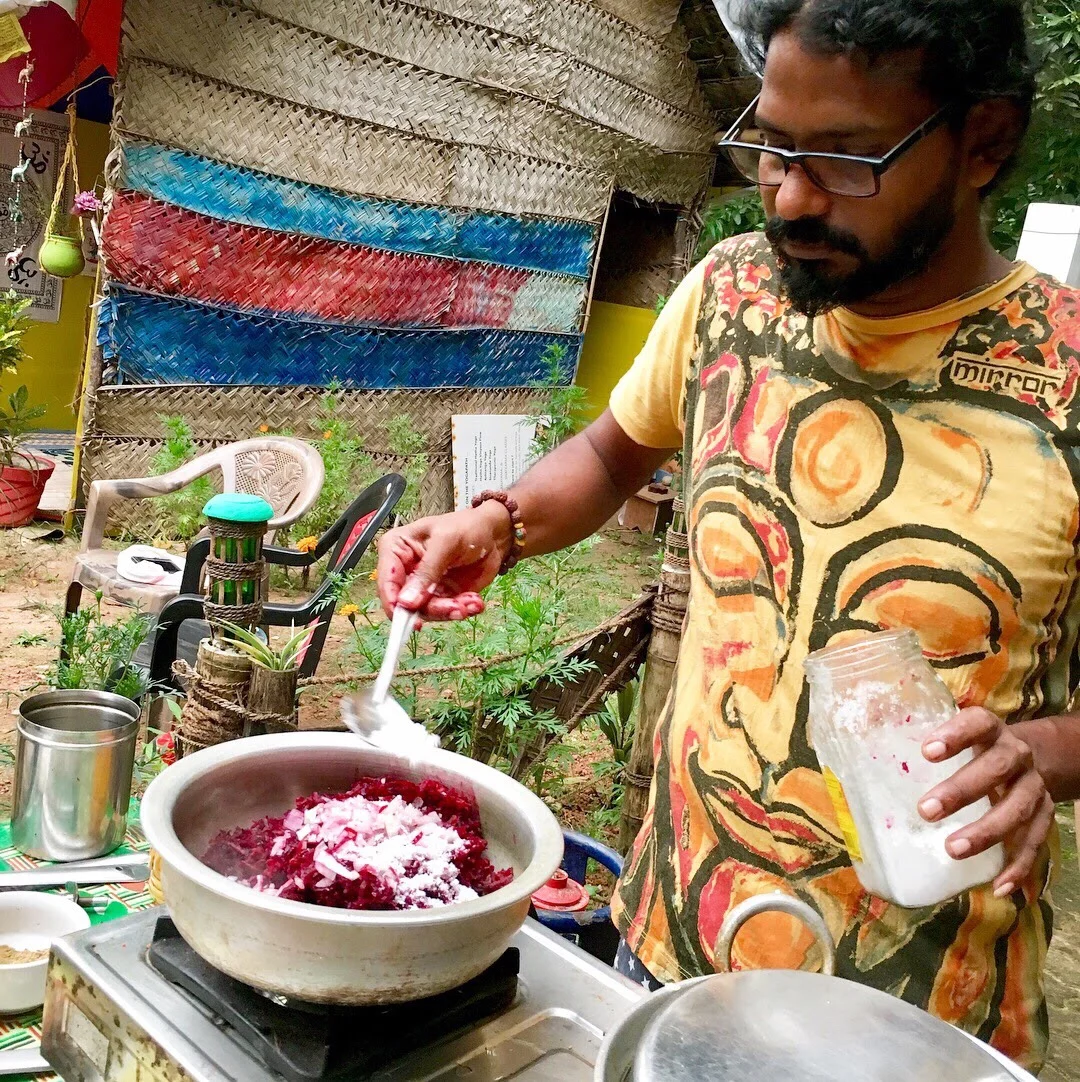
The Food
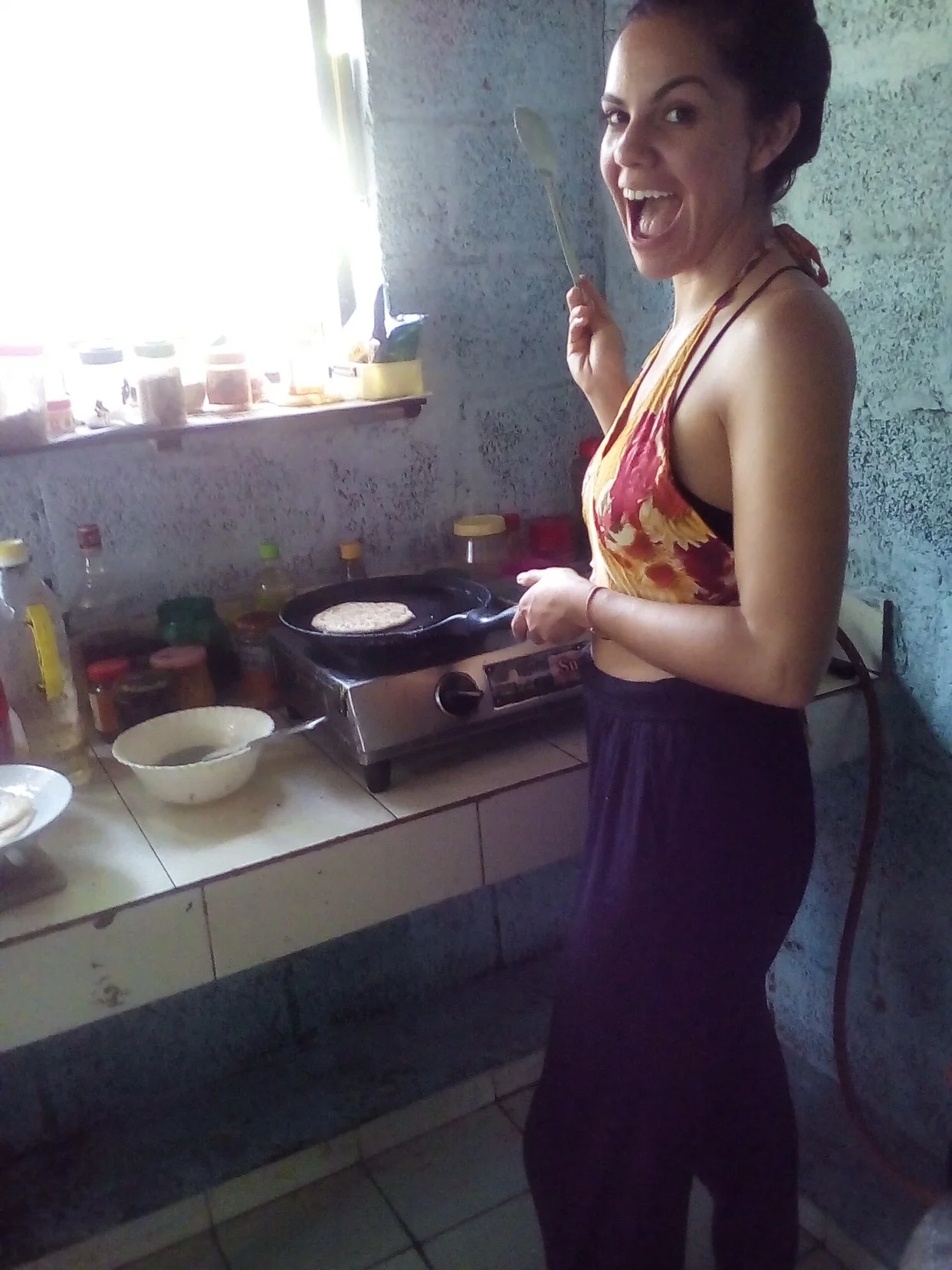
Food is in an integral part of the Panchakarma experience, and the food at Pachamama’s was the best food I had in all of Kerala and some of the best I had in India. In Ayurveda, you aren’t what you eat, you’re what you digest. HOW we digest our food is just as important as WHAT we eat.
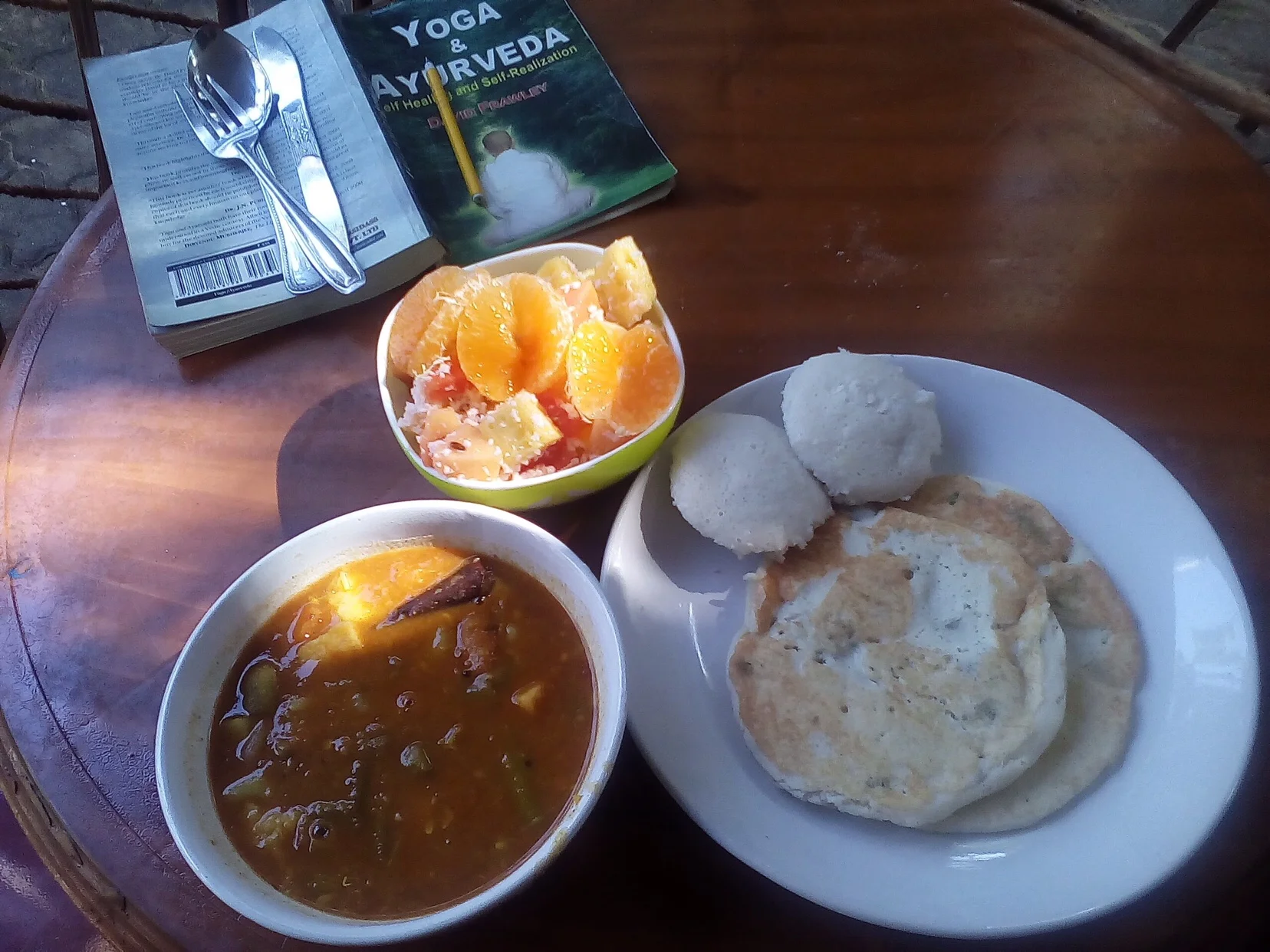
The meals at Pachamama’s were prepared based on traditional Ayurvedic healing philosophies, using natural, easy to digest ingredients.
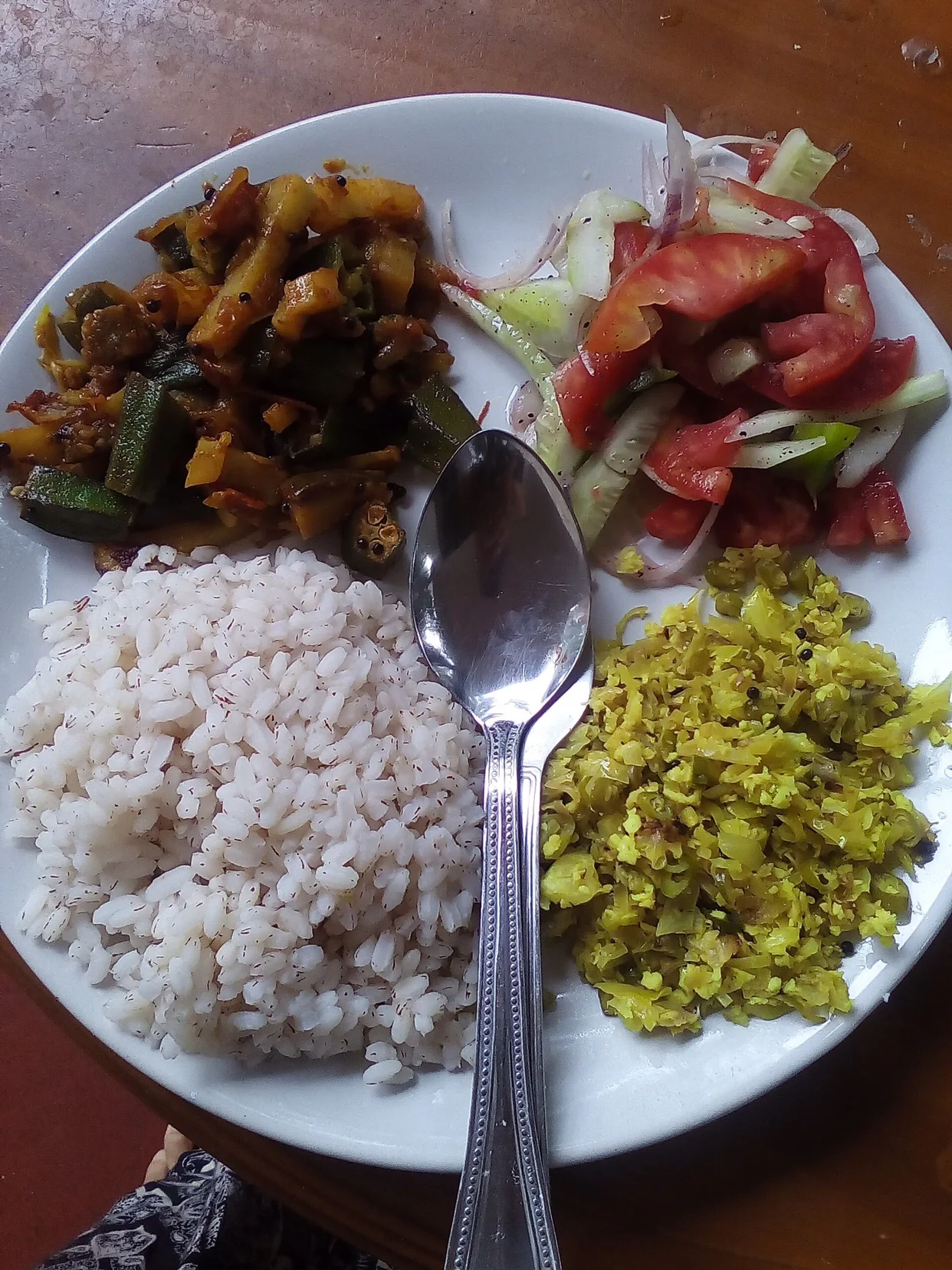
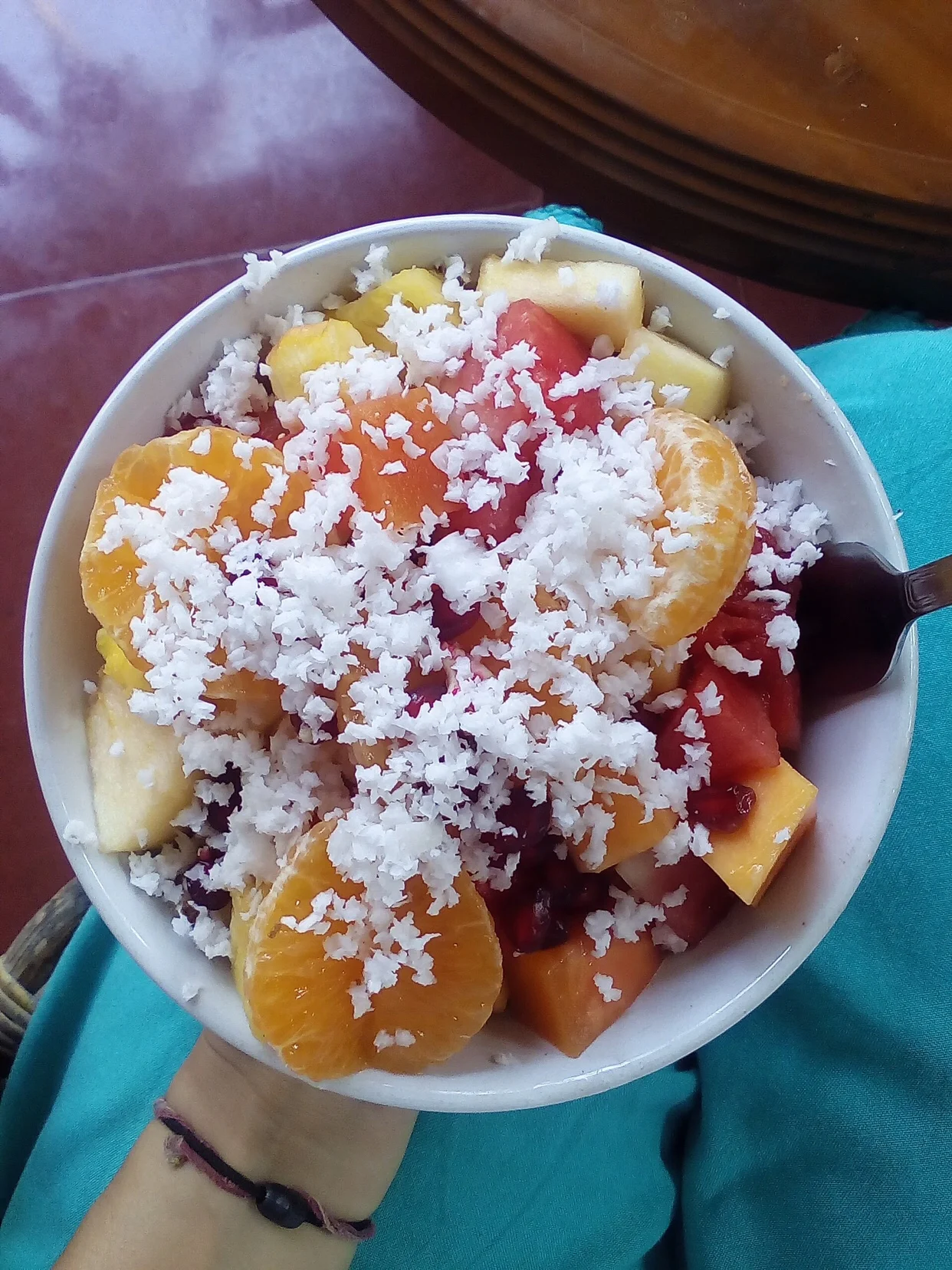
Lots of mung dal, spices, herbs, fresh coconut, cooked vegetables, Kerela matta rice and a ton of ghee to loosen up the body’s impurities even more.
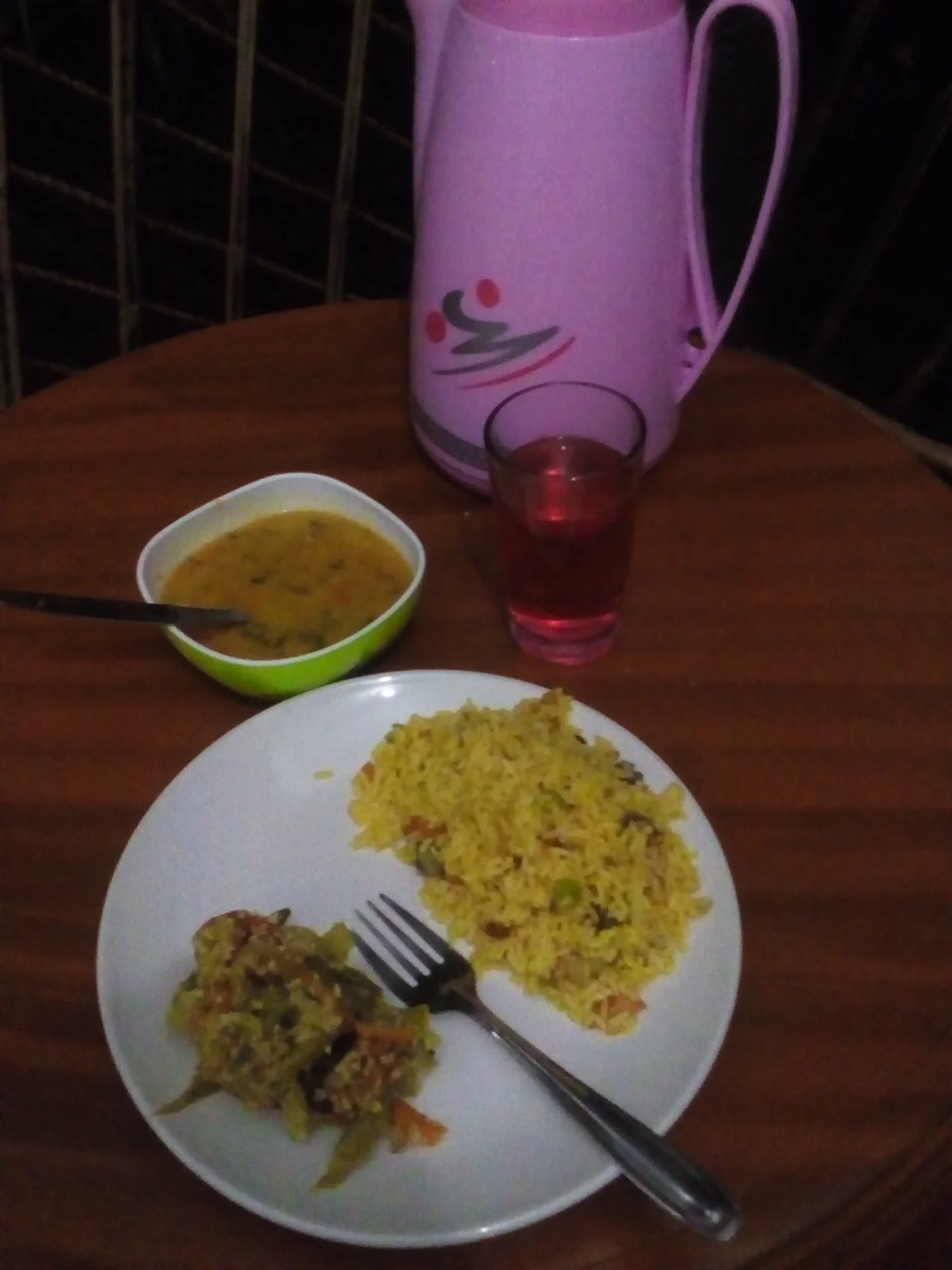
In between meals they had me sipping on herbal tea to keep the agni (digestive fire) strong and blazing.
In addition to the treatments, enjoying these tasty meals and herbal teas in a quiet, healing environment helped to further flush out all the toxins in my body.
The Overall Experience
It’s Day 15, 7am, and my tuk-tuk is here to whisk me away to the train station. Onward to my next destination. I feel high, yet in control. I slip and slide my way outside, backpack in tow. I can’t seem to get all the oil off my body and hair. The bedsheets are stained with the good stuff. It’s all over my clothes, in every nook and cranny, and I have to admit, I like it. I give Manoj and Jhitu the biggest hug and say, “Thank you for cleaning me!!!”.
Panchakarma is not for the faint, it’s for the fairly healthy. It’s just too intense for the frail and feeble. Yes, it’s a detox for the body, but really, it’s more of a detox for the soul. The treatments done on the body is simply a channel to connect with the soul, bring to surface the toxicity you’ve been carrying around for years (maybe even lifetimes) and release what no longer serves you. It’s a literal release.
What does a 14-Day traditional panchakarma treatment look like? Oil in every hole, an entire day devoted to poop, too many massages, an emotional meltdown, the best sleep of your life, breakthrough after breakthrough, a release like no other, and an afterglow that will leave others saying, “What happened to you?!? I want it.”